Why Stroke Rehabilitation Matters
Rehabilitation gives survivors the structured therapy, repetition, and encouragement they need to recover skills, rebuild confidence, and return to the activities that make life meaningful.
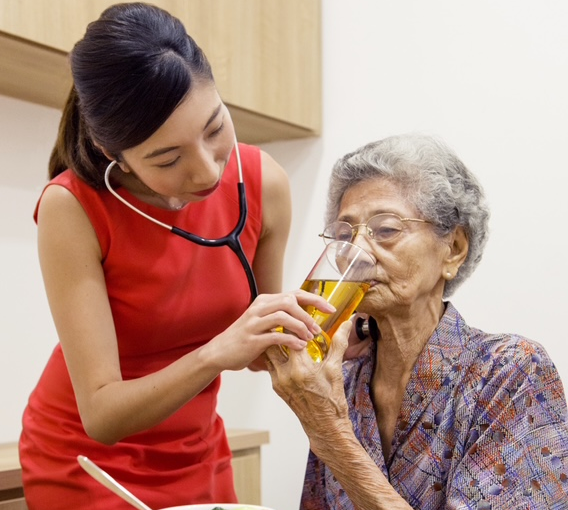

Recovery isn’t just clinical — it’s deeply personal. That’s why our programme is tailored for each survivor, adapting to their abilities, goals, and pace of healing.


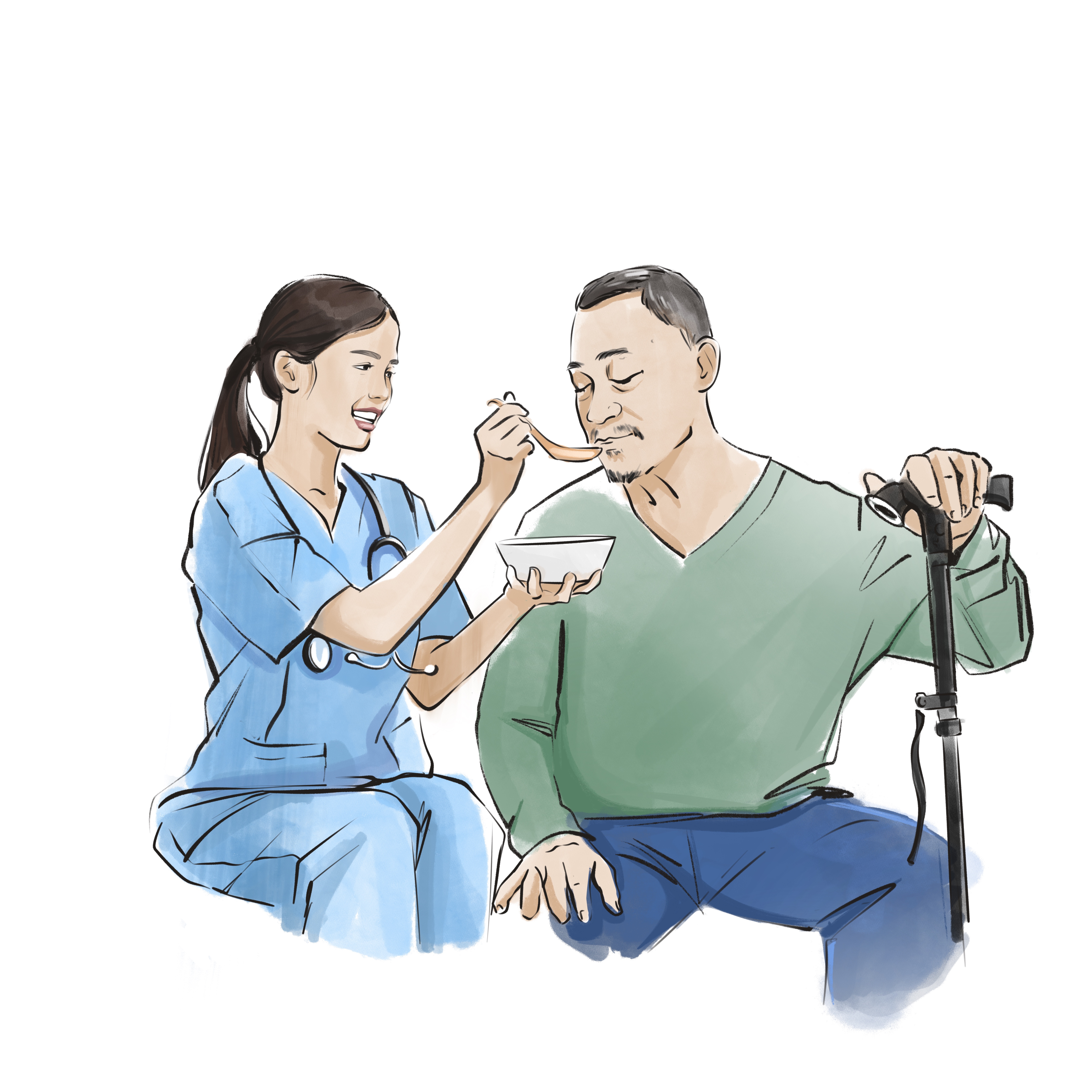
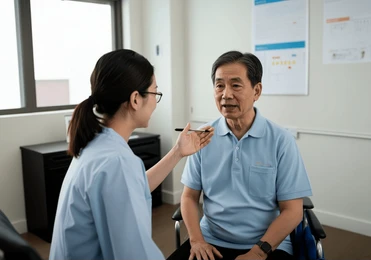
At The Amazing Collective, stroke rehabilitation is never one-size-fits-all. Our programme brings together multiple therapies under one coordinated plan — because recovery involves more than just regaining movement.
We take a holistic approach to stroke rehabilitation, supporting recovery across all areas of life:
Each programme is personalised and guided by an experienced, multidisciplinary team working closely together to support meaningful, long-term recovery.

Early rehabilitation supports neuroplasticity — the brain’s ability to form new connections — helping survivors relearn skills more effectively with the right intensity and repetition.
Find quick and clear answers to the most common questions
about Stroke Rehabilitation Programme
Holistic stroke rehabilitation looks beyond a single symptom or therapy. It brings together physical, communication, cognitive, nutritional, and emotional support under one coordinated programme, so recovery is addressed as a whole — not in isolation.
Ideally, rehabilitation begins within days after a stroke, once the survivor is medically stable. The earlier therapy begins, the more likely the brain can rewire and recover.
Results vary depending on the severity of the stroke and the individual’s health. Many survivors improve mobility, speech, and daily independence with consistent therapy. Small steps—like moving an affected limb, speaking more clearly, or eating safely—can lead to life-changing gains.
We provide a personalised programme that blends physiotherapy, occupational therapy, and speech-language therapy with emotional and family support. Our goal is not just physical recovery, but helping survivors live with confidence, dignity, and independence.